expert Palm Beach Gardens top Sealcoating near you
Choosing the Right Asphalt Contractor: Guide to Quality Pavement Solutions
Selecting the most suitable asphalt contractor is important for attaining long-term pavement solutions. A quality contractor not only delivers durability but also follows industry standards and safety regulations. Several factors affect this decision, from checking credentials to evaluating estimates. Practicing clear communication can considerably benefit the selection process. However, determining where to start can be overwhelming. Which steps should be prioritized to achieve a successful partnership?
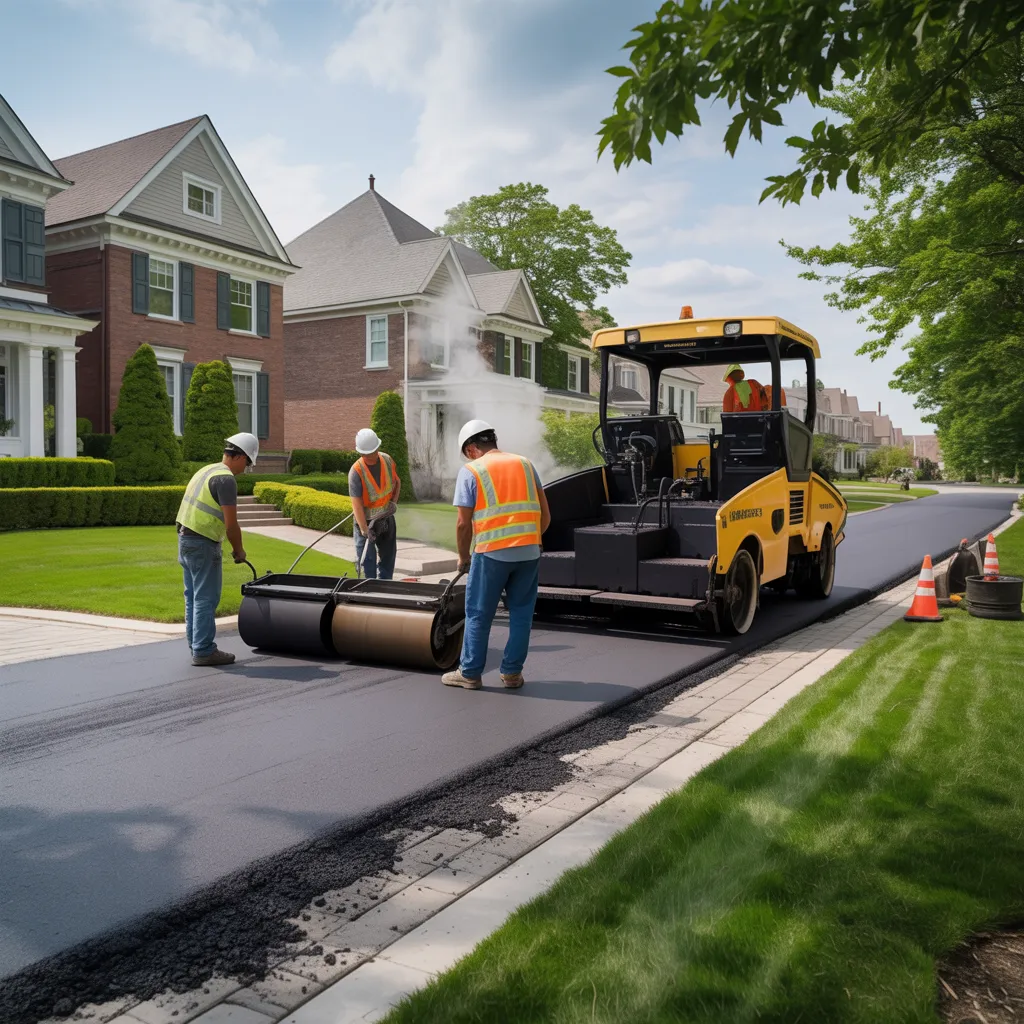
Recognizing the Value of Choosing a Skilled Asphalt Contractor
When planning a paving project, grasping the significance of choosing a reputable asphalt contractor is vital. A qualified contractor not only guarantees the proper installation of asphalt but also supports the longevity and safety of the pavement. Superior materials and specialized techniques are fundamental in minimizing concerns such as cracking and surface breakdown. Additionally, an established contractor is likely to comply with industry standards, supporting overall project efficiency.
Furthermore, a qualified contractor will offer precise estimates and schedules, allowing clients to organize their projects efficiently. Their expertise can also aid in identifying the best materials suited for specific environmental conditions. In addition, hiring a professional contractor can result in improved communication during the project, preventing costly misunderstandings. Ultimately, investing time in choosing the right asphalt contractor can lead to significant long-term savings, guaranteeing a long-lasting and visually appealing pavement solution that meets the project's demands.
Key Traits of a Dependable Asphalt Contractor
A reputable asphalt contractor showcases several essential qualities that distinguish them from the competition. For starters, they carry years of industry expertise, which demonstrates their skill to manage a wide range of projects successfully. This knowledge often results in outstanding quality of work and a solid understanding of materials and techniques.
In addition, a trustworthy contractor values open communication, guaranteeing that clients are kept in the loop throughout the duration of the project. They deliver comprehensive estimates, timelines, and are willing to addressing any questions or concerns.
Moreover, a dedication to superior materials is vital; reputable contractors obtain high-grade asphalt and complementary products to guarantee long-lasting results. They likewise follow safety guidelines and regulations, securing both their personnel and their client's premises.
Ultimately, an established reputation, backed by positive reviews and testimonials, strongly suggests the reliability of a contractor. These attributes collectively contribute to making a knowledgeable selection when choosing the ideal asphalt contractor for pavement solutions.
How to Locate Qualified Asphalt Contractors
Locating skilled asphalt contractors necessitates a detailed review of their background and skills. It is vital to ask for references and assess their previous projects to guarantee quality workmanship. By following these steps, property owners can make informed decisions when selecting a contractor.
Check Credentials And Experience
Verifying credentials and experience is essential for selecting a qualified asphalt contractor. Future clients should first confirm that the contractor maintains the appropriate licenses and certifications demanded by local and state requirements. This guarantees that the contractor is compliant with industry standards and practices. Moreover, assessing the contractor's involvement in diverse asphalt projects can shed light on their proficiency and trustworthiness. Contractors with a proven track record of successful projects are often better equipped to handle challenges that may arise during the job. Besides, requesting information about specialized certifications or continued professional development in asphalt technology can reflect a contractor's devotion to maintaining high work standards. Overall, thorough verification helps in making an informed decision, reducing risks associated with paving projects.
Ask for References
After validating the contractor's background and skill set, the subsequent step entails asking about references. This essential practice allows interested parties to measure the contractor's trustworthiness and service quality. A trustworthy asphalt contractor should promptly present a list of former clients who can attest to their services. It is recommended to contact these references directly to learn about their interactions, focusing on factors including timeliness, professionalism, and overall satisfaction. Raising detailed questions can provide helpful information, helping to assess if the contractor suits the project's needs. Moreover, examining online reviews and feedback can better support the decision-making process. At the end of the day, comprehensive background verifications contribute to choosing a skilled professional for optimal paving results.
Review Past Projects
How can one effectively gauge the abilities of an asphalt contractor? Reviewing past work is a critical part of this process. Potential clients should request to see a portfolio showcasing completed jobs, revealing the contractor's skill level and commitment to excellence. Observing various project types, such as residential driveways or commercial parking lots, offers valuable perspective on their range of expertise and adaptability. Visiting completed project locations in person, when feasible, allows for a firsthand evaluation of pavement quality and longevity. Additionally, seeking client testimonials about the contractor's performance on past projects provides valuable insights into their dependability and professional conduct. At the conclusion of this process, a detailed assessment of completed work enables a confident and informed hiring decision.
Critical Questions to Ask Your Asphalt Contractor?
When hiring an asphalt contractor, it is crucial to ask targeted questions that highlight their experience and qualifications. Furthermore, knowing the estimated timeline and expenses can help ensure the project aligns with expectations. Addressing these key points can lead to a well-considered selection and a more seamless paving process.
Expertise and Credentials
Selecting an asphalt contractor necessitates careful assessment of their experience and qualifications. Prospective clients should look into the contractor's time in the business, as significant experience often correlates with consistent quality results. Additionally, understanding the variety of past projects undertaken can offer a glimpse of the contractor's capabilities. It is also important to inquire about any training or certifications the contractor or their crew has received, as these qualifications can enhance the overall quality of services provided. Requesting references from past clients can help establish the contractor's reliability and reputation. Ultimately, a contractor with a proven track record of accomplished work and pleased clientele is more likely to deliver high-quality asphalt solutions suited to individual requirements.
Timeline and Cost Overview
Grasping the timeline of the project and related expenses is vital for clients seeking asphalt services. To ensure clarity, clients should ask about the estimated duration of the project, including possible setbacks due to weather or material availability. Additionally, it is necessary to ask for a comprehensive overview of costs, encompassing labor, materials, and any extra charges. Clients should also discuss payment schedules and the contractor's policy on unforeseen expenses. By understanding these factors, clients can better assess the worth of the services provided and reach well-considered conclusions. Moreover, establishing clear communication about schedules and expenses fosters trust between clients and contractors, ultimately leading to a more seamless project outcome.
A Guide to Asphalt Estimates
How can one effectively interpret an asphalt estimate? Understanding the components of an estimate is important for making informed decisions. An asphalt estimate commonly details material costs, labor expenses, and supplementary charges like equipment rental and site preparation. Each item should be clearly itemized, allowing for easy comparison between different contractors.
A detailed quote includes details about the type of asphalt, depth, and any required prep work, such as grading or drainage solutions. This openness helps property owners gauge the proposed material quality and the comprehensiveness of the contractor's methods.
Moreover, it is vital to think about the estimated timeline for finishing the work, as postponements may result in unanticipated charges. Property owners should also question guarantees or warranties included in the estimate, as these can indicate the professional's belief in their workmanship. Overall, a properly organized estimate stands as a key tool in evaluating potential asphalt contractors effectively.
Identifying Red Flags in Asphalt Contractors
What indicators should someone watch for when vetting asphalt contractors? Several red flags may indicate potential issues in hiring a contractor. As an initial consideration, the absence of a physical business address or a professional website may indicate instability or a lack of experience. Additionally, when a contractor hesitates to offer references or prior project samples, proceeding with caution is recommended.
Another concern arises when a contractor insists on full payment upfront, as this often points to a concerning absence of credibility. In addition, vague or unclear estimates may signal undisclosed fees that could drive up the overall cost.
Finally, undue urgency to execute a contract rapidly is a major warning sign; established contractors respect their clients' need to make well-considered decisions. By being vigilant about these warning signs, building owners can more confidently oversee the selection process and steer clear of potential problems in their asphalt undertakings.
Strategies for Communicating Effectively With Your Contractor
Building strong communication is essential for a strong working relationship with an asphalt contractor. At the outset, clients should outline their desired outcomes, timeframe, and financial parameters from the beginning. Such openness allows the contractor to deliver precise estimates and schedules. Consistent updates are essential; clients should arrange meetings to review progress and resolve any issues. Maintaining open lines of communication fosters trust and guarantees that both parties are aligned.
Moreover, clients are advised to keep written records of all agreements and changes, which can prevent misunderstandings later. Making use of applicable information visual references, such as diagrams or photos, can further improve understanding. Clients will benefit greatly from asking questions and requesting clarification on technical terms or processes. An attentive contractor will value this level of engagement and is more likely to produce quality results. Ultimately, effective communication can lead to a smoother project experience and a finished product that meets the client's expectations.
Commonly Asked Questions
What Types of Asphalt Services Do Contractors Typically Offer?
Contractors commonly deliver a variety of asphalt-related services, which include installation, repair, resurfacing, sealing, and striping. These services cater to various needs, providing reliable maintenance and long-lasting performance of asphalt areas for commercial and residential properties.
How Long Does Asphalt Pavement Generally Last?
Asphalt pavement generally has a lifespan of anywhere from 15 to 20 years, influenced by elements such as environmental conditions, road usage, and maintenance habits. Regular upkeep can extend its lifespan, guaranteeing optimal function and aesthetics throughout the years.
Can Asphalt Be Paved Over an Existing Surface?
Paving over existing asphalt is indeed possible, provided the underlying surface is in good condition. Adequate preparation, which involves cleaning and addressing cracks, is vital to guaranteeing the new layer bonds securely and delivers lasting results.
How Do Weather Conditions Affect Asphalt Installation?
Climatic conditions have a major effect on asphalt installation. Ideal temperatures range from 50°F to 90°F. Precipitation, severe heat, or low temperatures can impede adhesion and curing, which may result in cracking or poor bonding, thereby compromising the overall pavement quality.
What Are the Best Ways to Maintain My Asphalt Pavement?
To keep asphalt roads in good condition, routine sealing, immediate crack repairs, adequate drainage, frequent cleaning, and limiting heavy loads are essential. These methods enhance durability, reduce damage, and increase the lifespan of the asphalt pavement.